What Is ONDA Lift? Reduce Fat for a Beautifully Lifted Appearance

Language:
Language:



BLOG
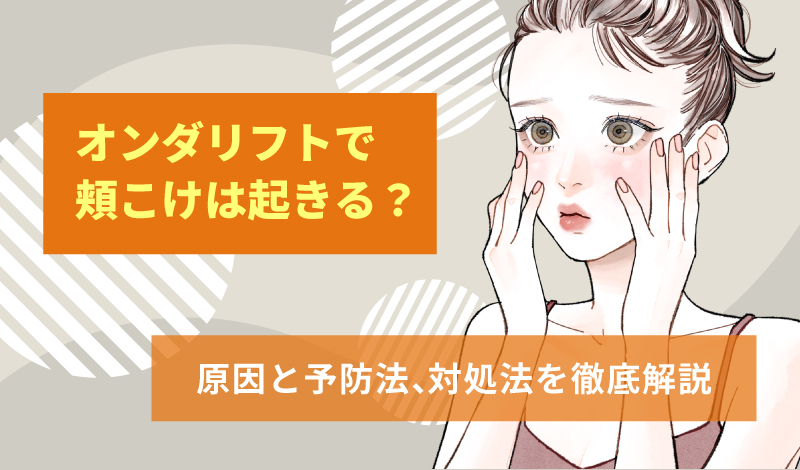
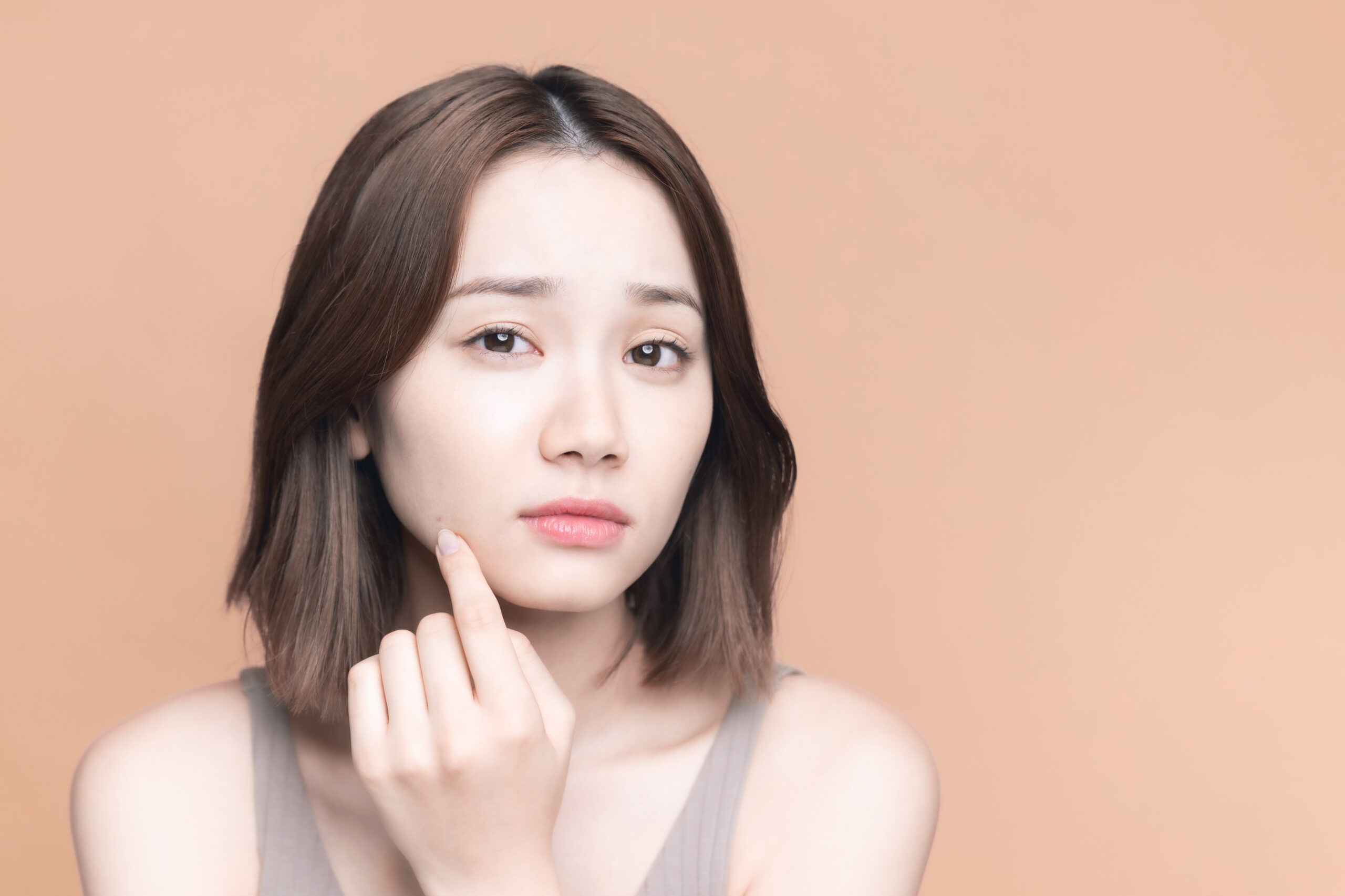
ONDA Lift is a popular treatment for tightening sagging skin and facial fat. More and more people are considering the treatment in hopes of achieving a slimmer-looking face and a lifting effect. However, some people report that their cheeks became hollow after treatment, which may cause concern.
This article provides a detailed explanation of the causes of hollow cheeks after ONDA Lift, prevention methods, and options for addressing hollow cheeks if they have already occurred. If you are considering treatment, please use this article as a reference.








ONDA Lift is a treatment using a medical aesthetic device developed by the Italian company DEKA. The device emits a special type of microwave known as “Coolwaves.”
It is highly effective for lifting and tightening the skin, reducing fat, and improving firmness, texture, and elasticity. One of its distinctive features is the ability to selectively deliver thermal energy to the dermis and fat layers by using two types of handpieces with depths of 3 mm and 7 mm. Compared with conventional radiofrequency devices, it involves less pain and downtime, and makeup can be applied immediately after treatment, making it a popular option for people with busy lifestyles. Its ability to treat not only the face but also the body is another appealing feature.
For more information about ONDA Lift, please see this article.
Although ONDA Lift has an excellent fat-reduction effect, the treatment may carry a risk of causing hollow cheeks depending on the treatment method and settings. Let us look at the main reasons why hollow cheeks may occur.
Each of these is explained in detail below.
An appropriate amount of facial fat helps maintain a youthful appearance. However, it can be risky to remove cheek fat indiscriminately simply because there is a large amount of it. In reality, various factors—including the skin layers, subcutaneous fat, muscle layers, and bone structure—work together, and the appropriate amount of cheek fat differs according to each person’s facial structure.
Removing cheek fat without a well-planned approach may result not in a lifting effect, but in facial depressions, asymmetry, or a bumpy facial contour. People who naturally have little cheek fat or who have a slim build are particularly likely to notice hollow cheeks even after a small reduction in fat.
For treatments such as ONDA Lift that target the fat layer, the treatment “balance” is extremely important. In people who are more prone to facial fat loss due to aging, excessive heat or treatment in the wrong location may accentuate a hollow appearance. If a wide area is treated up to the highest part of the cheeks, or if the energy is set too high, fat that should naturally be retained may also be reduced.
The results of ONDA Lift can be greatly affected by the practitioner’s skill. Since facial fat distribution varies considerably from person to person, the treatment plan should be tailored to each individual’s facial features rather than applying a uniform treatment approach.
ONDA Lift can selectively target various layers of the skin using handpieces with treatment depths of 3 mm and 7 mm. This function is both an advantage and a potential risk. If treatments are repeated without comprehensively considering the condition of the skin, the amount and location of fat, muscle distribution, and bone structure, fat may be lost from unintended areas, potentially resulting in hollow cheeks.
Because facial bone structure differs considerably from person to person, treating everyone at the same depth without prior assessment can produce different results. An interval of at least two weeks between treatments is recommended, and it is important to consider the next treatment while monitoring the results.

To maximize the effects of ONDA Lift while preventing hollow cheeks, preparation before treatment and choosing an appropriate clinic are essential. The following are points to keep in mind to avoid regret.
The details of these points are explained below.
During the pre-treatment consultation, it is important to accurately explain the condition of your face and your preferences. Tell the doctor about specific concerns, such as “I am worried about hollow cheeks” or “There are areas where I want to retain volume.” Sharing your history of previous aesthetic treatments and your current weight-change pattern can also help the doctor develop a more appropriate treatment plan.
People who are dieting need to be especially careful, as the combination of weight loss and treatment-related fat reduction can make hollow cheeks more likely. Honestly explain the amount of facial fat you have and the areas that concern you, and work with your doctor to develop the most suitable treatment plan.
Appropriate settings for the treatment area and energy are essential for preventing hollow cheeks. Fat in the upper cheek area is important volume for maintaining a youthful appearance and should not be treated indiscriminately.
A trustworthy doctor should assess the balance of the entire face and determine which areas to tighten and which areas should be preserved before treatment. It is a good idea to confirm the specific treatment areas in advance, such as “treat only around the facial contour” or “avoid the area above the cheekbones.” Choosing a clinic that can create a detailed treatment plan accounting for displaced fat will lead to more satisfactory results.
The treatment “balance” of ONDA Lift can greatly affect the results. Because facial bone structure differs considerably from person to person, treating everyone at the same depth without prior assessment can produce different results. Choosing an experienced doctor or clinic can help minimize the risk of hollow cheeks.
When choosing a clinic, check the following points:
In particular, a clinic that provides specific answers and explains preventive measures in response to questions about hollow cheeks can be considered highly trustworthy. An important point is whether the clinic can provide carefully planned treatment rather than relying solely on the device.
If you begin to notice hollow cheeks after treatment, there are several options for addressing the issue.
Choose the appropriate method according to your condition and preferences.
The fat-reduction effect of ONDA Lift gradually becomes apparent over several months after treatment, starting immediately after the procedure. Even if your cheeks appear hollow immediately after treatment, it takes time for the fat cells to be fully metabolized, so waiting and monitoring the progress is one option. In addition, the cheeks may temporarily appear hollow as post-treatment swelling subsides.
The final results generally stabilize 1–3 months after treatment, so it is important to observe the progress without rushing. Since the skin may become more prone to dryness after treatment, monitor your progress while taking care to moisturize sufficiently and protect your skin from ultraviolet rays.
One option is to inject hyaluronic acid into areas where the cheeks appear hollow and restore the lost volume. Hyaluronic acid is a substance that is also naturally present in the body and helps provide moisture and elasticity to the skin. Its effects can be felt immediately after injection, and one benefit is that it can restore volume to hollow areas and recreate naturally plump cheeks.
However, the effects of hyaluronic acid are not permanent. It is absorbed over approximately six months to one year, so regular treatments are necessary to maintain the results. Consider the costs as well, and consult a doctor to determine the appropriate amount for injection.
If you are seeking longer-term improvement, fat injections—harvesting your own fat and injecting it into the cheeks—are another option. Because your own tissue is used, the risk of an allergic reaction is low, and natural-looking results can be expected. Fat injections are considered to have a higher retention rate than hyaluronic acid, but not all of the injected fat will necessarily survive after a single treatment. Since some cases require multiple treatments, it is important to develop a plan in consultation with a doctor.
Because the procedure involves liposuction to harvest your own fat, be sure to confirm the invasiveness of the treatment in advance.
If you are concerned about hollow cheeks, we recommend consulting the clinic where you received treatment first. A doctor who understands the details of your treatment should be able to offer appropriate advice and suggest options according to your condition.
At clinics with a guarantee system, follow-up care may be available at no additional cost. Rather than worrying alone, seeking a professional opinion is the quickest way to find a solution. Choosing a clinic with a well-established system for post-treatment monitoring and consultations will also help ensure that you can receive support if an unexpected issue arises.
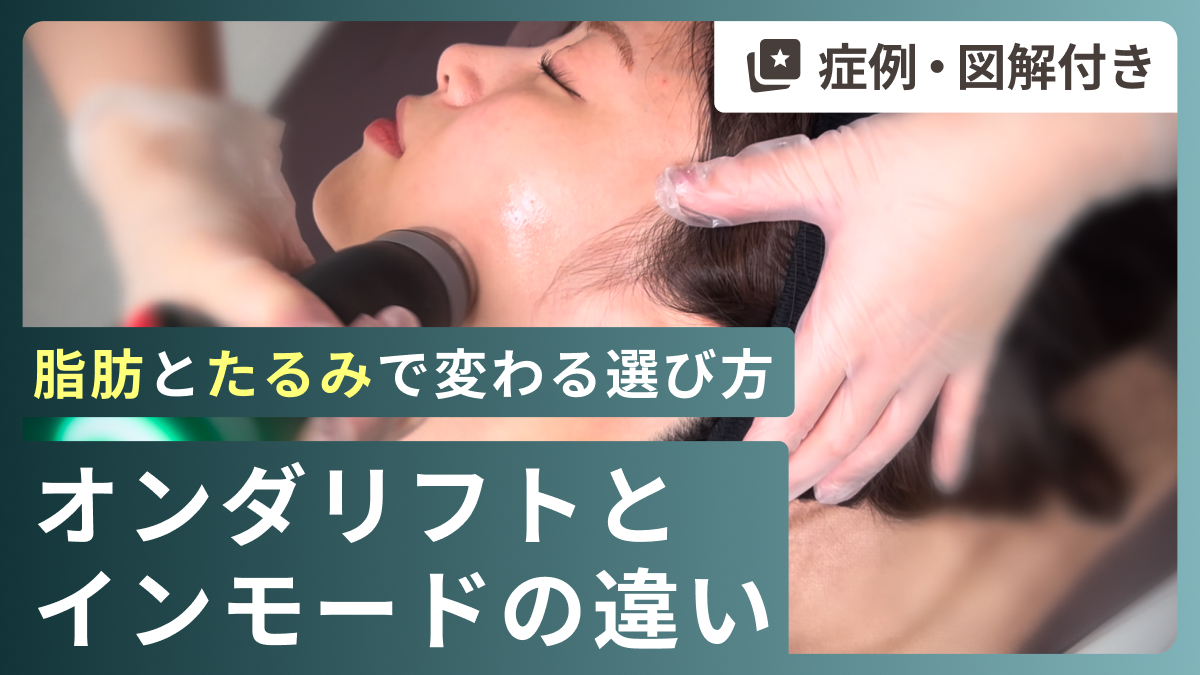
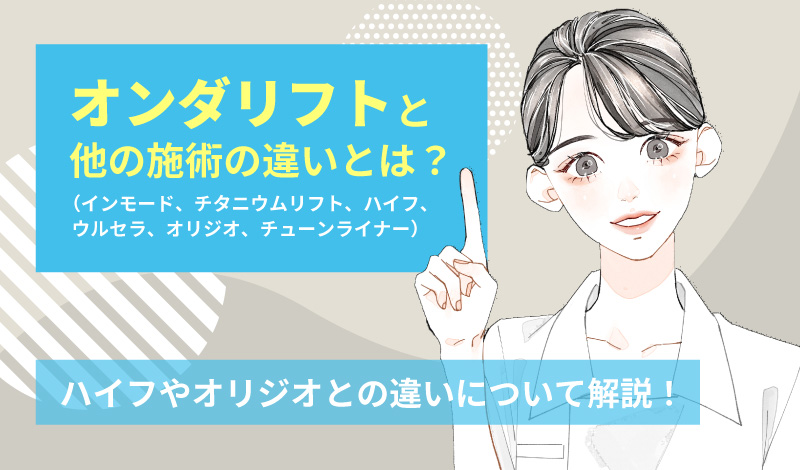
ONDA Lift and HIFU are often compared as facial lifting treatments. Understanding the differences between them can help you choose the treatment that is right for you. The differences are explained below.
HIFU uses high-intensity focused ultrasound to target the SMAS layer and tightens the fascia with heat, creating a lifting effect across the face. Because it lifts the facial structure firmly from its foundation, it is recommended for people seeking improvement in widespread sagging or an overall slimming effect.
ONDA Lift, on the other hand, uses microwaves and is characterized by primarily acting on the subcutaneous fat layer. By selectively targeting and efficiently heating and destroying fat cells, it is particularly effective for sagging caused by fat, such as a double chin or heaviness along the facial contour.
Because ONDA Lift has a stronger fat-reduction effect, people with little facial fat may have a potentially higher risk of developing hollow cheeks.
In general, ONDA Lift is considered less painful than HIFU. Because HIFU delivers heat to deeper layers, some people experience more intense pain, particularly in areas close to the bone, such as along the facial contour.
With ONDA Lift, the skin’s surface is protected by a cooling function during treatment, so the pain is often relatively mild. Anesthesia is usually unnecessary, and most people experience only a sensation of warmth.
ONDA Lift is also generally less likely to cause swelling or redness, and in most cases makeup can be applied on the day of treatment. This makes it an accessible option for people with busy lifestyles. Because HIFU and ONDA Lift act on different layers, combining them may also produce a synergistic effect.
Some people say that receiving ONDA Lift while dieting can help them pursue a slimmer-looking face more efficiently. However, the risk of hollow cheeks may also increase, so caution is needed. The points to consider are explained in detail below.
When weight loss from dieting overlaps with fat reduction from ONDA Lift, facial volume may decrease more than expected. As the entire body becomes slimmer, facial fat also naturally decreases, making hollow cheeks more noticeable through the combined effects of dieting and treatment. In other words, it is important to note that it may become difficult to determine whether changes in the face are due to weight loss or the treatment.
If you are receiving treatment while dieting, be sure to inform your doctor and ask them to take precautions, such as setting the energy at a lower level. Excessive calorie restriction or inadequate nutrition can accelerate fat loss and make facial thinness more noticeable.
Ideally, receiving treatment after approaching your target weight makes it easier to predict the results. If you receive treatment while still dieting, subsequent changes in body weight may alter the balance of your face.
However, some people use ONDA Lift during dieting to help prevent sagging. If you wish to prevent sagging while losing weight, develop an appropriate treatment plan in consultation with a doctor. Receiving treatment after your weight has stabilized makes it easier to accurately envision the final results and may also reduce the risk of hollow cheeks.

Choosing the right clinic is extremely important for minimizing the risk of hollow cheeks and achieving satisfactory results. The following are points to check.
Use these points as a reference when choosing a clinic so that you can receive treatment with confidence.
Choosing a clinic with extensive experience performing ONDA Lift can reduce technical risks. Many clinics publish case photos on their official websites or social media, so it is a good idea to check the expected results in advance.
It is also important to check whether the clinic has experience handling consultations regarding hollow cheeks. A clinic that understands the risk of hollow cheeks and takes preventive measures can provide greater peace of mind.
Also confirm whether the clinic uses the latest devices, such as ONDA Lift, and whether it uses authorized equipment.
The level of care provided by the doctor and staff during the consultation is an important indicator of a clinic’s reliability. Choose a clinic that listens to your preferences and concerns and explains the advantages and disadvantages honestly, rather than unilaterally recommending treatment.
When you explain that you are concerned about hollow cheeks, also check whether the clinic provides specific information about preventive measures and treatment methods. Ideally, the clinic should carefully assess factors such as skin thickness and fat distribution and propose a carefully designed treatment plan rather than relying solely on the device.
It is also important to confirm whether the clinic provides an environment where you can easily seek advice if you have concerns after treatment. For peace of mind, check in advance whether free follow-up examinations are available and how unexpected issues are handled.
We also recommend asking during the consultation whether the clinic has a guarantee system and what costs would apply if additional treatment becomes necessary. The quality of the clinic can also be assessed by how carefully it explains aftercare, such as avoiding activities that improve circulation and stimulation to the treated area for approximately one week after treatment.
When performed appropriately, ONDA Lift is an effective treatment that can provide a slimmer-looking face without incisions or injections. Although there is a risk of hollow cheeks, it can be minimized through thorough communication during the consultation, appropriate treatment-area and energy settings, and the selection of an experienced clinic.
Even if hollow cheeks occur, options such as hyaluronic acid injections and fat injections are available. Rather than worrying alone, consult a professional. It is important to receive consultations at multiple clinics and find a doctor who can offer a proposal suited to your facial condition and preferences.
※Implementation Clinics: Hamamatsucho Clinic
※Implementation Clinics: Hamamatsucho Clinic
※Implementation Clinics: Osaka Clinic, 札幌院
※Implementation Clinics: Osaka Clinic, 札幌院
※Implementation Clinics: Osaka Clinic
※Implementation Clinics: Funabashi Clinic
※Implementation Clinics: Funabashi Clinic
※Implementation Clinics: Osaka Clinic, 札幌院
※Implementation Clinics: Osaka Clinic, 札幌院