BLOG

What Is AviClear? When Results Appear, Typical Costs, and Treatment Order for Acne Scars

Many people may hope that “AviClear will make both acne and acne scars look better all at once.” However, AviClear is primarily designed to reduce acne that is yet to develop; it does not restore depressions that have already formed.

This article explains how it works, when results appear, treatment discomfort, and typical costs, as well as the order in which treatment should be pursued for acne scars.

Contents

What Is AviClear?

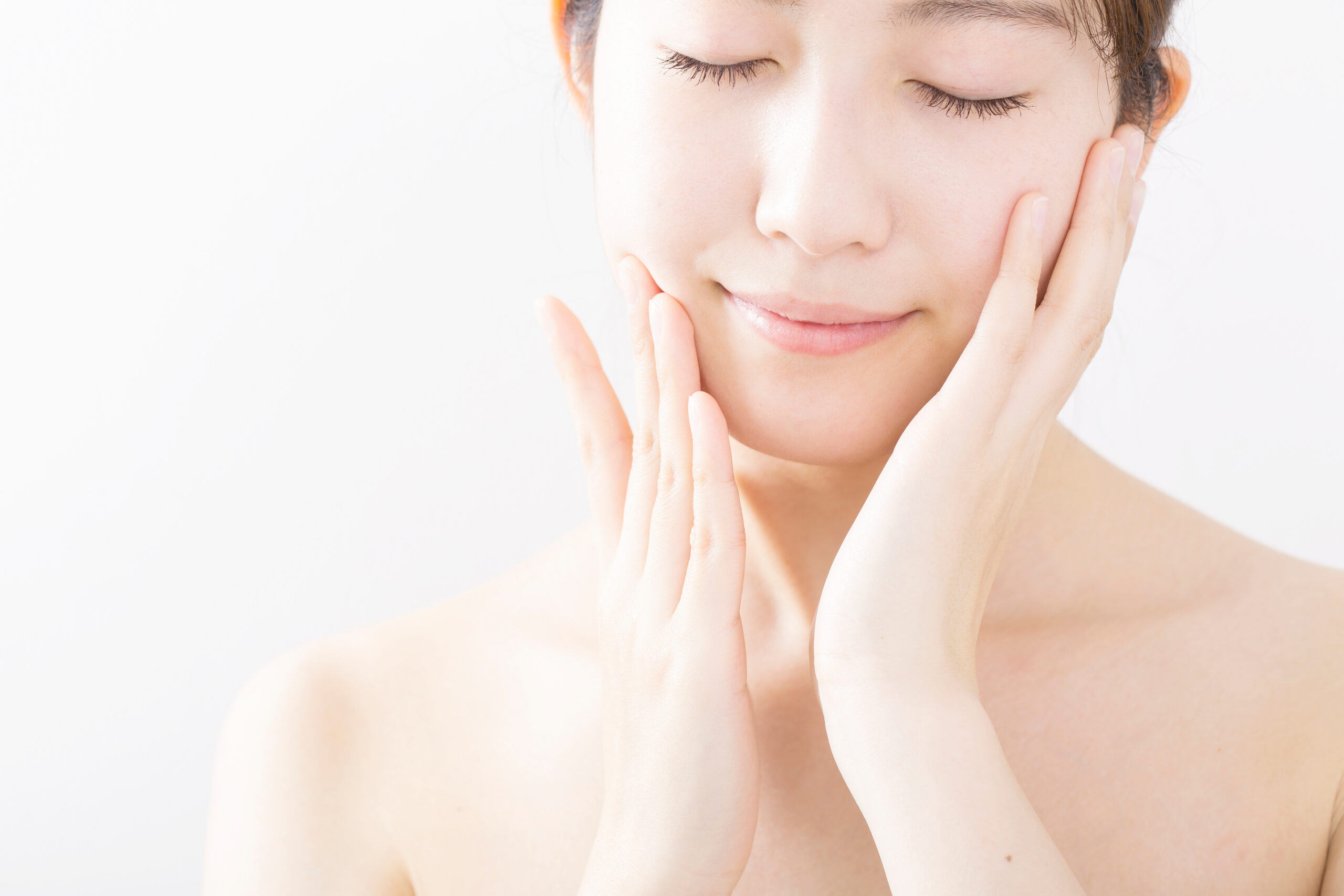
Woman doing skincare

AviClear is a medical device that delivers laser heat to the sebaceous glands, which produce sebum, and makes acne less likely to develop by reducing excessive sebum production. It was developed by a U.S. manufacturer and first approved in the United States, before being approved in Japan in May 2025 as a medical device for treating moderate to severe acne. It cools the skin’s surface at the same time as irradiation, making it less affected by skin tone.

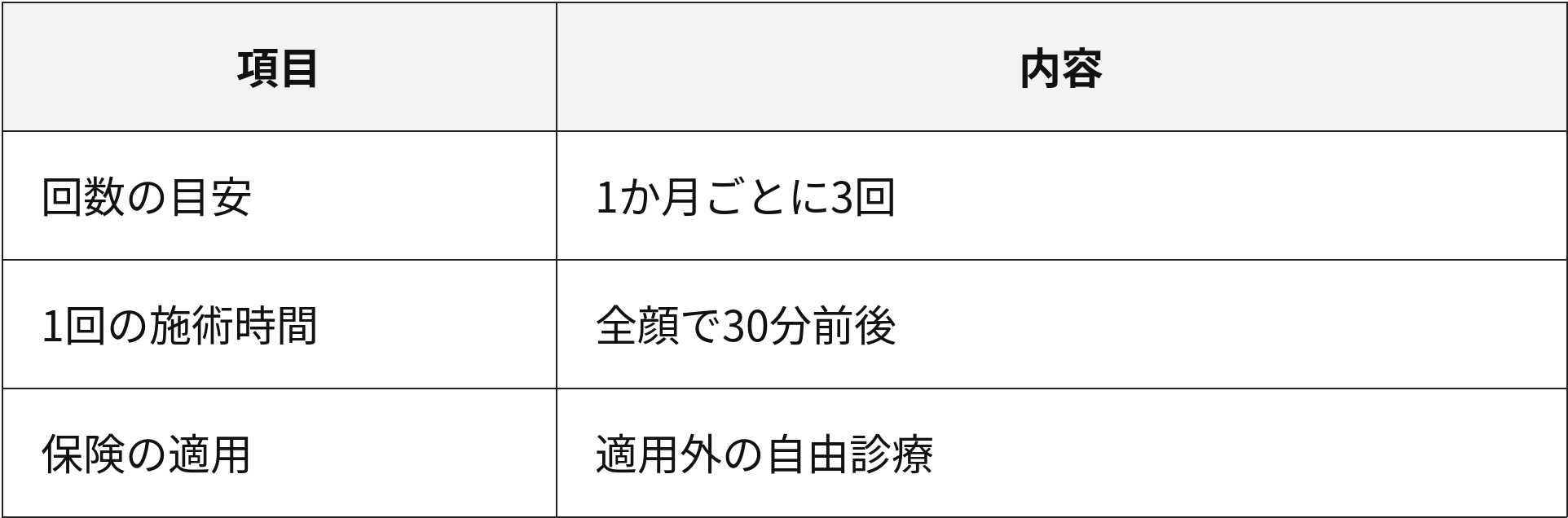
Acne worsens when sebum clogs the pores and acne-causing bacteria multiply inside the pores, causing inflammation. While prescription topical medications covered by public health insurance help reduce clogged pores and inflammation, AviClear works directly on the location where sebum is produced. The treatment can be summarized in the following three key points.

Basic Information About AviClear

Changes You Can Expect from AviClear

The main change expected from AviClear is a reduction in new acne. As a result of reduced sebum, some people may also notice changes in shine or the appearance of their pores. However, AviClear is approved specifically for acne treatment, and improvements in shine or pore appearance should be considered secondary changes that vary from person to person.

New Acne Becomes Less Likely to Develop

AviClear makes new acne less likely to develop because it reduces sebum, which contributes to clogged pores. It makes clogging less likely from the stage when sebum has accumulated in the pores, such as with whiteheads and blackheads.

However, it is not a treatment that makes a large, pus-filled pimple disappear on the day of irradiation. Acne with strong inflammation is generally calmed in parallel with topical or oral medications and comedone extraction, a procedure that removes the contents of the pore.

Some People May Notice Less Shine

When AviClear suppresses sebum production, some people feel that concerns such as a shiny forehead or nose in the afternoon and makeup that easily breaks down have improved.

When the skin becomes dry, it may actually produce more sebum. If over-washing has caused dryness, shine may settle simply by reviewing your moisturizing routine. Therefore, it is important to wash your face gently and continue moisturizing after treatment. Ask your doctor during your consultation about your usual face-washing and moisturizing methods.

Some People May Notice Changes in Their Pores

When reduced sebum makes it less likely to accumulate in the pores, some people feel that darkening around the nose or enlarged pores have become less noticeable.

However, excess sebum is not the only cause of enlarged pores. If sagging with age has made the pores appear vertically elongated, reducing sebum will have only a limited effect, so choosing a skin-tightening treatment may be more reasonable. Consulting a doctor can make it easier to determine which cause is responsible for your enlarged pores.

AviClear Does Not Treat Depressed Acne Scars

Even if AviClear reduces new acne, depressed acne scars that have already formed will not return to their original state. Depressions occur when inflammation damages collagen deep in the skin and pulls the skin downward; reducing sebum does not regenerate the damaged tissue.

Treatment for depressions should generally begin after new acne has settled. If depressions are treated while inflammation continues, new acne may create additional scars, preventing the treatment from keeping up. Reducing recurring acne with AviClear can make it less likely that new depressions will develop even after proceeding to scar treatment.

LIVELY CLINIC primarily offers treatments for depressed acne scars, including Subcision, which separates adhered skin with a needle, and Juvgen, an autologous dermal regeneration treatment. Please contact us if you are interested.

AviClear Results

Skincare products

Some people notice a reduction in sebum relatively early with AviClear, but the effect of reducing acne appears over several months after completing three treatments. Three treatments take approximately three months, followed by another three to six months to assess the results, so plan for approximately six to nine months for the entire treatment process.

Three Treatments at One-Month Intervals

AviClear is generally administered three times at intervals of approximately one month. The recommended interval is four to six weeks, and if the schedule shifts slightly because of availability, the doctor will determine the next date after assessing the condition of your skin. Expect it to take approximately three months to complete all three treatments.

During irradiation, treatment proceeds while checking the treatment area and how much discomfort you feel. Some clinics also offer additional irradiation from the fourth treatment onward, depending on the condition of your acne.

Assess Results Three to Six Months After the Third Treatment

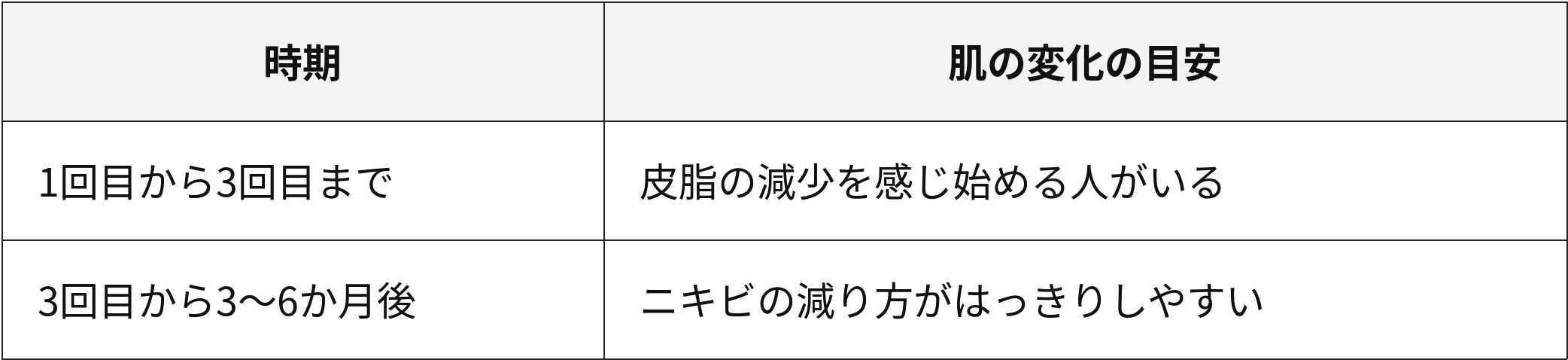
The time to assess the effects of AviClear is approximately three to six months after the third treatment. Even if you feel that there has been little change along the way, stopping before completing three treatments means the treatment will end before its effects can be assessed. It may be easier to understand the expected changes during treatment by dividing them into the following two periods.

AviClear Results and Number of Treatments

The Treatment Day Generally Involves Four Steps

On the day of AviClear treatment, the process generally involves four steps: examination, face washing, irradiation, and aftercare.

  • The doctor examines your skin and determines the treatment area and energy level
  • Remove your makeup, wash your face, and wipe away oil from the skin
  • The laser is applied while cooling the skin (approximately 30 minutes for the entire face)
  • The treated skin is soothed, and you receive instructions on moisturizing and sun protection

In many cases, you can resume your usual activities immediately after irradiation. However, some clinics advise avoiding strenuous exercise, saunas, and long baths on the day of treatment.

AviClear Pain and Downtime

The pain and downtime associated with AviClear are relatively mild among laser treatments. However, acne may temporarily increase after treatment, so knowing this in advance can help prevent unnecessary concern that it has “worsened.”

Cooling and Energy Adjustments Help Reduce Discomfort

During AviClear irradiation, the pain feels like a sharp, prickling sensation similar to being snapped with a rubber band. The device cools the skin at the same time as irradiation, and most people can undergo treatment without anesthesia.

Some areas with well-developed sebaceous glands may feel more painful, but if you let the staff know, they can adjust the energy level during treatment. If you are concerned about pain, confirm how it will be managed during your consultation.

Redness and Swelling Subside Within a Few Days

After AviClear treatment, the irradiated areas may develop redness, warmth, or mild swelling. These symptoms generally subside within several hours to a few days, and it is common for clinics to allow makeup from the day of treatment. The main risks and side effects are as follows.

  • Redness, warmth, swelling, and puffiness
  • Dryness or a feeling of tightness
  • As a potential risk common to laser treatments, burns or hyperpigmentation may rarely occur

If redness or swelling continues for more than one week, contact the clinic where you received treatment.

Acne May Temporarily Increase

Acne may temporarily increase after AviClear treatment. This occurs because heat is applied to the sebaceous glands, causing sebum and blockages accumulated in the pores to appear on the skin’s surface. It is known as “purging” or a “healing response.”

It is more likely to occur after the first treatment, usually appearing approximately one to three weeks after treatment and then settling down. Picking or squeezing the acne yourself makes scarring more likely, so if you are concerned, consult the clinic without waiting for your next treatment.

Who Is Suitable for AviClear and Who Cannot Receive It

Woman after treatment

AviClear is not a treatment that everyone can receive. Suitability and eligibility depend not only on the condition of your acne but also on the medications you take and your physical condition. Before applying, confirm which category applies to you.

Who Is Suitable

AviClear is suitable for people whose acne continues to recur despite topical medications covered by public health insurance. Specifically, it may be suitable for the following people.

  • People whose acne continues to recur despite continuing to use prescription topical or oral medications
  • People whose skin becomes easily irritated by topical medications and who have difficulty continuing them
  • People who are concerned about the side effects of oral medications and are looking for a non-oral option

AviClear is suitable for acne caused by excessive sebum production. When hormones or lifestyle habits are the main cause of acne, it may not provide sufficient results on its own. On the other hand, people who only want to treat existing depressed acne scars or who cannot secure time to visit once a month for three months may be better suited to other treatments.

Who Cannot Receive It

The following people are often unable to receive AviClear or may need to postpone treatment.

  • People taking isotretinoin (an oral acne medication that reduces sebum)
  • People who are pregnant or breastfeeding
  • People with sunburn, wounds, or significant inflammation in the treatment area
  • People prone to keloids

If you have taken isotretinoin within the past six months, be sure to consult a doctor beforehand. Some clinics advise avoiding sun exposure for approximately four weeks before treatment, so inform the clinic early about plans such as summer travel. Also tell the doctor about all medications and supplements you are taking during your consultation.

AviClear and Other Acne Treatments Target Different Areas

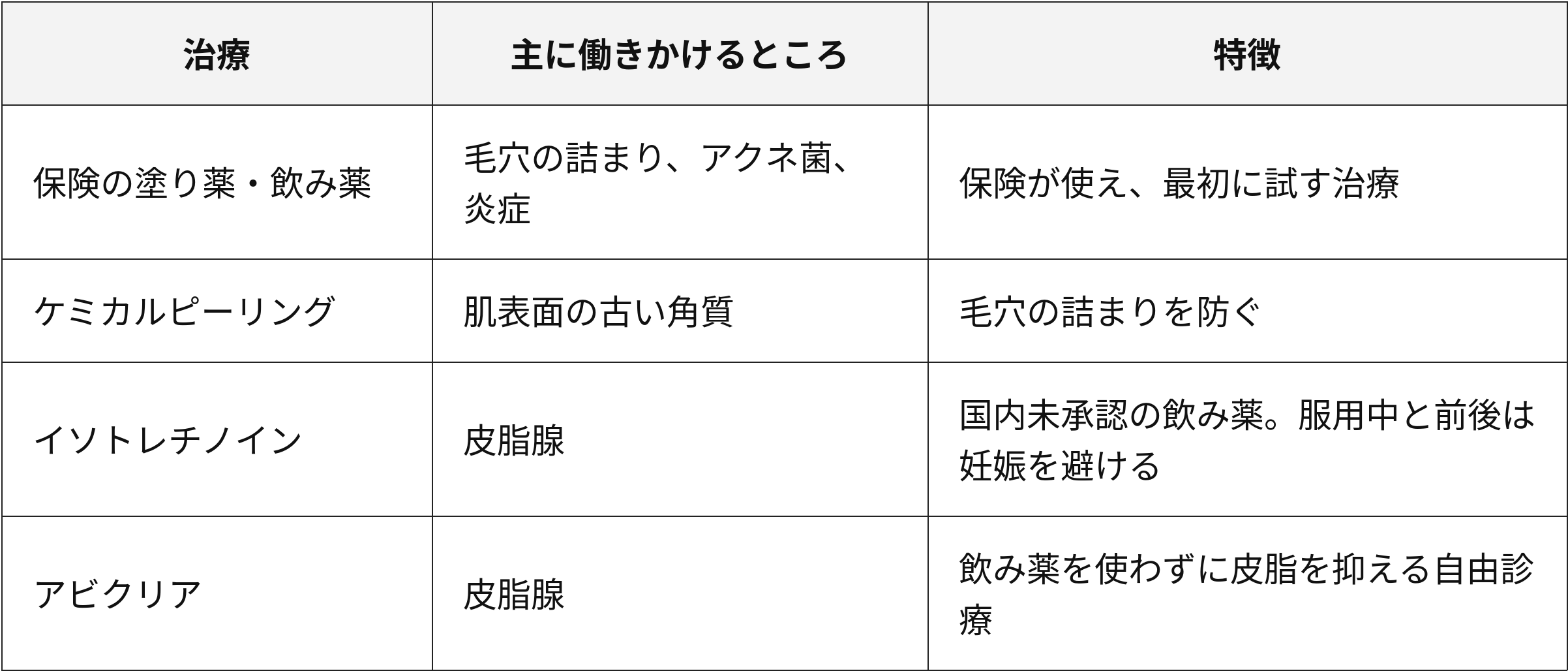
The difference between AviClear and other acne treatments lies in which part of the acne-development process they target. The four representative treatments can be categorized as follows.

Differences Between AviClear and Other Acne Treatments

Topical medication forms the foundation of treatment, while AviClear is positioned as the next option to consider for people whose acne cannot be sufficiently controlled with topical medication. Isotretinoin and AviClear have in common that both act on the sebaceous glands. The difference is whether they act throughout the body as an oral medication or target only the facial sebaceous glands with a laser.

Frequently Asked Questions About AviClear

We have summarized points to confirm before applying, including costs, makeup, and age requirements.

Is one AviClear treatment enough to produce results?

Three treatments are needed to assess the results. Some people feel a reduction in sebum after the first treatment, but the reduction in acne is assessed over three to six months after completing all three treatments. Since stopping midway means the results cannot be confirmed, plan on receiving all three treatments.

Is AviClear covered by public health insurance?

No. AviClear is a private-pay treatment, and the full cost is paid by the patient. Based on fees published by several cosmetic dermatology clinics as of September 2026, the total cost for three treatments is approximately 150,000–290,000 yen for the entire face, 90,000–180,000 yen for both cheeks, and 50,000–120,000 yen for a partial area such as the nose. Also confirm at the estimate stage whether consultation or follow-up consultation fees are charged separately.

Can I apply makeup immediately after treatment?

Many clinics allow makeup from the day of treatment. If you have redness or a sensation of heat immediately after treatment, choose makeup products that are gentle on the skin and take care not to rub it. Treated skin is more susceptible to ultraviolet exposure, so continue using sunscreen for protection.

Can junior high or high school students receive AviClear?

Some clinics offer the treatment. Some accept patients aged 13 and over and require parental consent for those under 18. Since adolescent acne can change with growth, it is common to first begin treatment through dermatology care covered by public health insurance, then consult about AviClear if the acne continues to recur.

Do the effects of AviClear last permanently?

It is a treatment whose effects tend to last for a long time. However, sebum levels can also change with hormonal balance, sleep, and stress, so it does not mean that acne will never develop again.

If acne increases again after several years, you can consult the clinic about additional irradiation. Even after completing three treatments, having a doctor check your acne from time to time may make it easier to determine whether additional irradiation is needed.

Can I receive acne scar treatment after AviClear?

Yes. The doctor generally determines when to proceed with scar treatment based on how well the new acne has settled. Redness and hyperpigmentation may fade over time, so selecting treatment after confirming whether depressions remain can help avoid unnecessary procedures.

Summary

AviClear is a treatment that acts on the sebaceous glands to reduce acne that is yet to develop. However, existing depressions will not return to their original state, so scars need to be addressed with separate treatment.

At LIVELY CLINIC, we offer free consultations and recommend treatments such as Subcision and Juvgen according to the condition of remaining scars, including depressions and redness. You can consult us about treating scars after your acne has settled at our Hamamatsu-cho, Funabashi, and Osaka branches. We look forward to hearing from you.

Medically reviewed by

Masao Hayashi

Masao Hayashi

Career

  • 2017 Graduated from Tokyo Medical University
  • 2019 Joined the Department of Otolaryngology-Head and Neck Surgery, Tokyo Medical University
  • 2021 Aesthetic Surgery and Dermatology in Tokyo
  • 2023 THE CLINIC
  • 2024 LIVELY CLINIC